Key takeaways
- Knee pain is a symptom with several possible causes; a webpage cannot diagnose which one applies.
- How the pain began, where it is located and whether the knee swells, locks or feels unstable are useful details to bring to an evaluation.
- Some symptoms call for prompt medical care before a routine treatment conversation.
- At Cultiv8, we evaluate selected knee degeneration and osteoarthritis concerns; this is not a universal treatment or a guaranteed result.
- Ask about the diagnosis, alternatives, exact product, regulatory status, risks, preparation and follow-up before deciding on a regenerative procedure.
Why does knee pain need an individual evaluation?
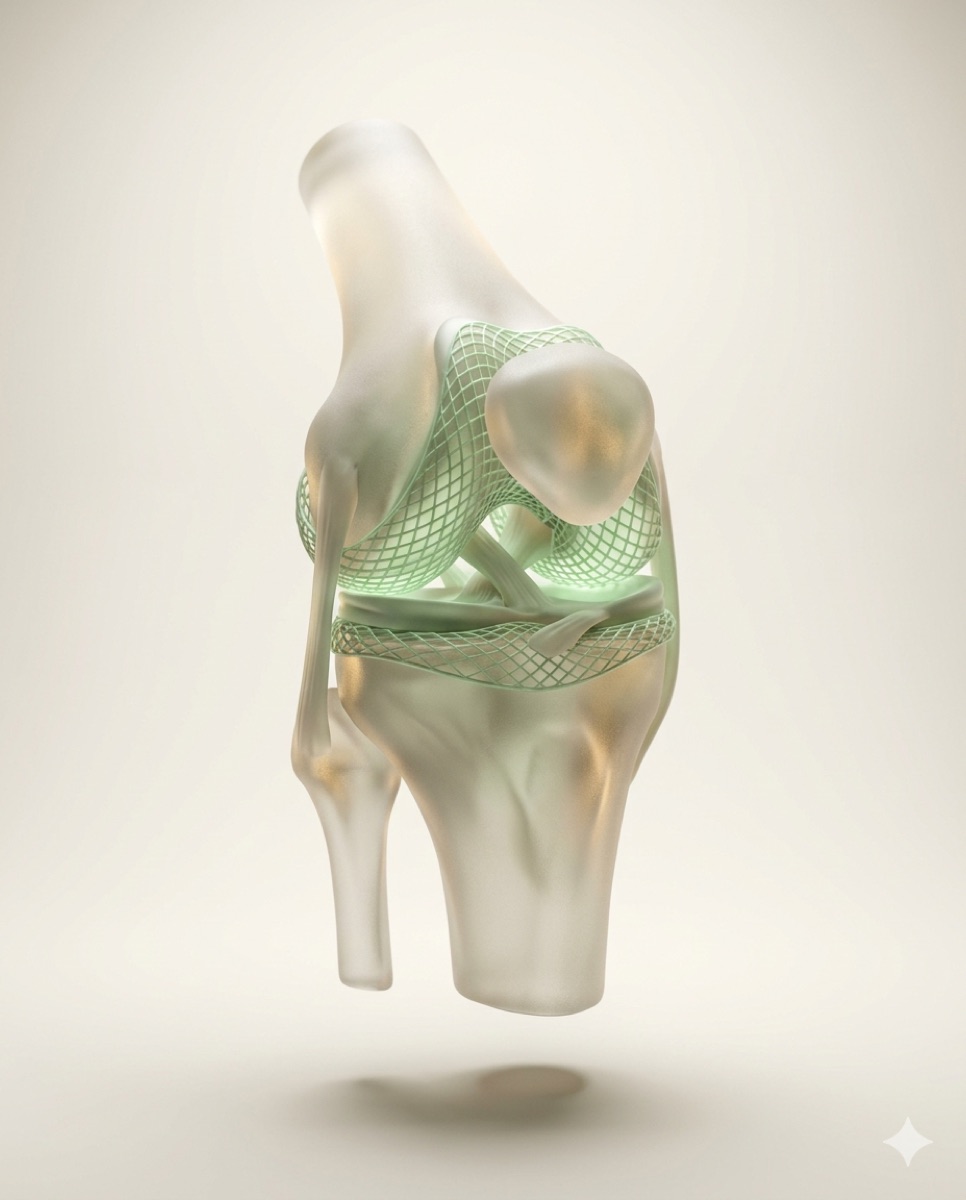
The knee depends on bones, cartilage, ligaments, tendons, muscles and fluid working together. Pain can begin suddenly after an injury or exercise, or appear gradually. Overuse, tendon or ligament injuries and conditions such as osteoarthritis are among the broad categories described by MedlinePlus. Because those possibilities call for different decisions, the symptom alone does not identify the cause.
A useful starting point is to separate what you feel from what has actually been diagnosed. Our knee pain and degeneration guide explains when Cultiv8 may be an appropriate starting point and why you still need an individual clinical assessment.
What details should you track before an appointment?
Write down when the pain began and whether there was a fall, twist, impact or recent change in activity. Note where the pain is strongest, what movements aggravate it and whether rest changes it. Swelling, warmth, redness, instability, locking, catching, a reduced range of motion and difficulty bearing weight are also important details to report.
Bring a list of previous injuries, diagnoses, imaging, injections, physical therapy or other care, along with current medicines and supplements. This does not require you to diagnose yourself. It gives the provider a clearer timeline and helps determine whether imaging, conservative care, specialist referral or another next step should be discussed.
When should knee pain receive prompt medical attention?
MedlinePlus advises contacting a medical professional when a person cannot bear weight, has severe pain, cannot fully bend or straighten the knee, notices buckling or locking, or sees a deformity. Fever with redness or warmth, substantial swelling, or pain and color or sensation changes below the knee also warrant prompt medical attention.
Pain after an accident or significant injury should be assessed by an appropriate medical professional. New, severe or rapidly worsening symptoms are not a situation for an online form to evaluate. Seek urgent or emergency care when the circumstances or symptoms suggest it is needed.
How does Cultiv8 approach knee concerns?
We evaluate selected knee degeneration, osteoarthritis and bone-on-bone concerns. Our regenerative-joint process uses a Wharton's Jelly structural tissue graft, with targeted laboratory review and preparation before the procedure followed by structured recovery and follow-up.
That does not mean the process is appropriate for every painful knee. Our regenerative joint therapy page explains the treatment in detail, while your consultation and clinical assessment determine whether Cultiv8 is an appropriate starting point for you.
What should you ask before considering a non-surgical joint procedure?
Start with the clinical question: What is believed to be causing the pain, what alternatives should be considered and what improvement would be meaningful? Then ask the provider to identify the exact material being offered, how it is sourced, its regulatory status, the evidence and limitations, possible risks, the total care plan and what follow-up is included.
FDA guidance warns consumers that the fact a facility is registered does not mean a particular regenerative product or treatment is FDA-approved. Our regenerative-treatment question checklist covers these questions in more detail.
Why do preparation and follow-up belong in the decision?
A procedure is only one part of a care pathway. Ask which health-history, medication, activity or metabolic factors the provider wants to review beforehand, what instructions apply afterward and how progress or problems will be assessed. Avoid assuming that one standard plan or timeline applies to everyone.
Our process includes targeted lab review and metabolic preparation when appropriate. The related article about metabolic health before regenerative treatment explains why testing should answer a defined clinical question rather than act as a universal panel.
How can a Boise patient choose the next step?
Use the first conversation to clarify scope rather than to force a treatment decision. Ask whether Cultiv8 can appropriately evaluate the concern, whether another clinician or urgent setting is a better first stop and what records would make the appointment more useful.
We see patients at our Boise clinic on Lakeharbor Lane. If our care appears relevant, use the free consultation form without entering sensitive medical details. Our team can explain the next step, but only an individual assessment can determine clinical fit.
Sources and patient resources
- MedlinePlus: Knee Injuries and Disorders ↗General knee anatomy, common injury and disease categories, and the importance of identifying the cause.
- MedlinePlus Medical Encyclopedia: Knee Pain ↗General causes and symptoms that should prompt contact with a medical professional.
- FDA: Important Patient and Consumer Information About Regenerative Medicine Therapies ↗Questions about product identity, approval status, risks and consumer safeguards.