Metabolic Check
Targeted labs help identify issues such as blood-sugar dysregulation, nutrient deficiencies or systemic inflammation before treatment.
Cultiv8 Restore · Boise
Cultiv8 Restore uses Wharton’s Jelly as a structural tissue graft for selected joint and soft-tissue concerns, with functional-medicine preparation before treatment and a structured follow-up plan after.
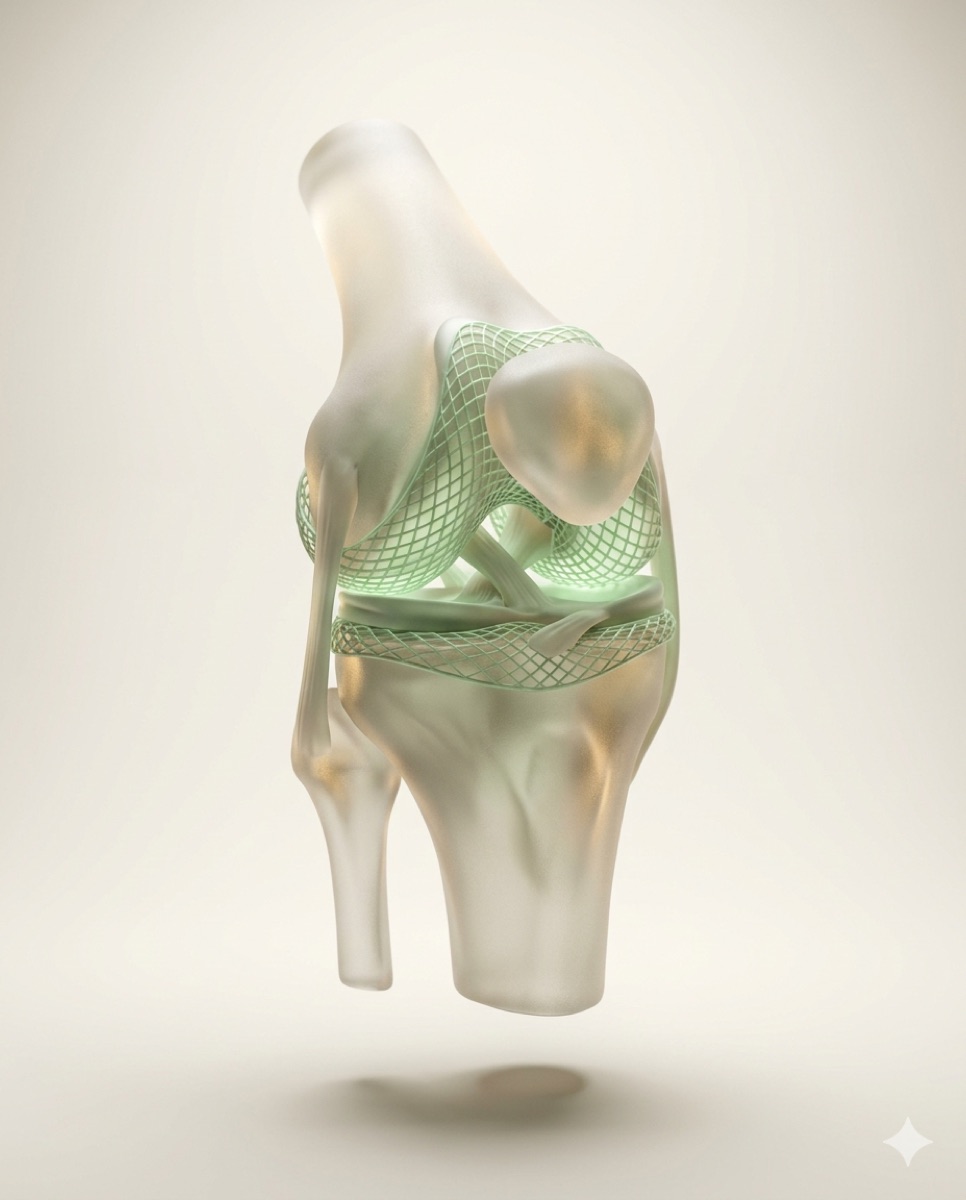
What the service is
The current Cultiv8 Restore site describes Wharton’s Jelly as a thick structural tissue graft placed in the treatment area. It is not presented as a universal fit; each patient is evaluated individually.
The approved prototype names knees, shoulders, hips, elbows and feet among the areas treated. The current site specifically discusses knee degeneration, shoulder issues, plantar fasciitis and tennis elbow.
The Cultiv8 process
These four steps come directly from Cultiv8’s current Restore website.
Targeted labs help identify issues such as blood-sugar dysregulation, nutrient deficiencies or systemic inflammation before treatment.
The current protocol uses Specialized Pro-resolving Mediators to address active inflammation before administration.
Wharton’s Jelly is administered in the office as a structural tissue graft in the selected area.
A structured follow-up plan is used to guide activity, protect the treatment area and reduce re-injury risk.
Common questions
The discovery call is a no-obligation conversation about your concern and whether regenerative joint therapy may be an appropriate next step.